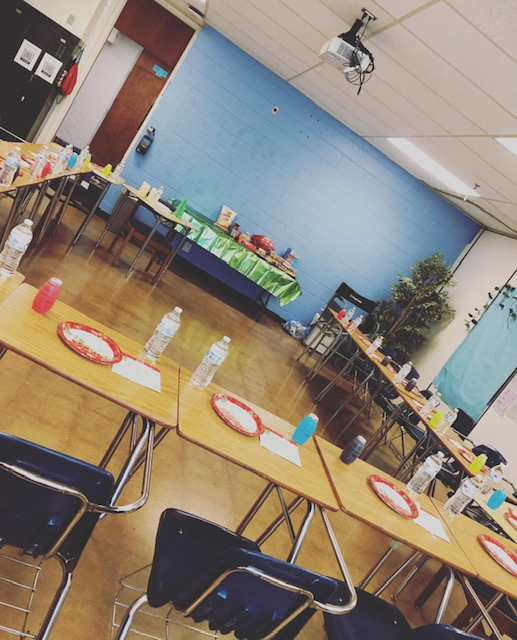
As educators, we must keep up on the latest developments in brain research and development. Every classroom in the world should be brain-based. I like to set up a classroom that is warm and welcoming. Colors matter to the brain. If you have a bright red and orange wall, kids will feel angry when they walk in. Students should only see colors from nature in a brain-based classroom environment. Soft blues, greens, and browns. If you look at your classroom and it is cluttered to the nines, your kids will be distracted by that clutter. Patterns are also negative; they are not only distracting, but they are rather nauseating while you are at the front of the room lecturing in front of your flower-print bulletin board. Solid colors, greenery, and soft lighting should be the goal.
Smells matter. Children should have good smell memories of your room. I use a Scentsy. Vanilla wafting through your room while your students enter is powerful. I can almost visibly see my eighth-grade babies breathe in the vanilla and be calmed by my sky-blue wall, greenery, and the familiarity of home. My trees with twinkle lights stand in the corners. My students can’t really pinpoint why they feel so comfortable, calm, and happy within my walls. It is not just me; it is the physical space I’ve created.
Also, stop hoarding. Put a small curtain up to block out busy cupboards, bookshelves, and anything else that distracts. If you haven’t touched the item in a year, throw it away or give it away. We never know when funding will be slashed or supplies will be limited, so our nature as teachers is to hoard it all just in case of an inevitable dry spell in education. Stop it. Get rid of it.
It sounds cheesy, but teaching your students about meditation or how to reset their brains during moments of stress, anxiety, or exhaustion is part of our job. Pulling on your earlobes, finding your pressure points and softly tapping them (Forehead, inside of the wrists, right below the clavicle or collarbone) are all brain resetting activities. I don’t think high stakes testing is going anywhere. I can often look out over my testing babies and see them resetting their brains with the strategies I’ve taught them. One year, I tested every single one of my eighth graders in the library. We tested by team each day. I was busy passing out testing tickets, making my seating chart, reading the directions as the testing administrator, when one of my counselors ran up to me, and said, “I think they are cheating via morse code.” I quickly looked up, and my sweet kids were busy resetting their brains. Some were tapping their foreheads, others were gently tapping their wrists, while others were pulling their earlobes. I started to laugh and tear up at the same time. I looked at the counselor and said, “No, they aren’t cheating; they are resetting their brains for their tests because they care so much.” That sweet memory is one of my favorite moments of my teaching career.
Music and The brain:
Music with lyrics is undoubtedly enjoyable. However, when a student is studying or at work, research and recent studies prove that music without lyrics is better for the brain. According to the University of Phoenix, listening to music with lyrics can be distracting while you read, study, and write. The study found that your brain can struggle to process musical lyrics and do school work simultaneously. Doing these two actions at once is considered multi-tasking and research has found that multitasking can decrease your IQ by ten points. BY TEN POINTS. That is a lot.
Benefits of listening to instrumental music:
1 Productivity –Instrumental background music can deepen your focus while you work. It shuts out distractions from your environment.
2. Mental Downtime – Instrumental music gives your brain time to reflect and roam through various topics. As you spend time processing your thoughts, your mind becomes quieter and more peaceful. This kind of reflection often seems lost in today’s media-saturated age, but it can be rejuvenating. Mental downtime allows you to regain perspective and mental energy before refocusing on what you need to do.
3. Setting a Mood – Instrumental music can set a mood and bring forth an emotion. You can use music as an inspiration for creating your own mental images, story, or movie. You can use music to put yourself in the mental and physical state that you need for peak performance.
4. The Music Itself – The absence of words allows you to focus solely on the music. You can contemplate the chords, melodies, rhythms and musical design, much as you might gaze at a great building and enjoy the architecture. This is a compelling reason to listen to instrumental music.
For years, in fact, I viewed listening to music in the background as an insult to the music. More recently, I have come to believe that using music in various ways makes it more valuable, not less. If you do not regularly take time to listen to music in the foreground, give it a try. You may be surprised to discover what you have been missing. In my class, we listen solely to instrumental music while we complete individual assignments. This is better for brains and working productivity. Oftentimes my students will be mad that they can’t listen to their own music on their air Pods. I simply say, “Listen, I cannot be the reason your IQ goes down. I won’t be able to sleep at night!” #smile
My Social Justice Warriors (SJWs) will go to other classes and as the teacher blares Disney songs WITH LYRICS, they will say, “No, you are making us dumber!” Hilarious. You can find almost anything instrumental. There are several Youtube channels I’ve subscribed to over the years with amazing tracks. Your students deserve to have every advantage in your class, so include instrumental music and help raise their achievement as well as their IQ.
Food and The Brain
“No Food or Drink.” You’ve seen the signs in almost every school you’ve been to. I’ve never really understood why teachers die on the food hill. Every time a student takes a drink or eats something, it fires synapses off in the brain. If a student is hungry, feed them. When a student has proper nutrition, it is so much better for their mental and physical health. Now, I don’t allow a giant bag of Hot Cheetos and a Monster drink, but if they have a snack and water not only do I allow it, but I encourage it. I also don’t die on the gum hill. Some studies have come out to prove that gum is actually better at waking up your brain than caffeine. Make them clean up after themselves; teach them to be normal and kind with their snacks, but let the children eat!
Coloring and The Brain
It’s Not For Babies Anymore! Coloring is an activity that we once associated with young children. As we grow older, we put aside our crayons and colored pencils in favor of more respectable writing utensils like pens and highlighters. However, it turns out that coloring can be beneficial for teens and adults — namely for its de-stressing power.
Coloring is a practice which generates wellness, quiet, and also stimulates brain areas related to motor skills, the senses, and creativity. In fact, publishers have lately been launching coloring books specifically for teens and adults. The trend is alive and well in Europe and North America.
Most recently, in Spain, the publication Espasa published Coloréitor, with illustrations by well-known cartoonist Forges. “I recommend it as a relaxation technique,” says psychologist Antoni Martínez. “We can use it to enter into a more creative, freer state,” he assures. We can also use it to connect with how we feel, since depending on our mood we choose different colors or intensity. I myself have practiced that. I recommend it in a quiet environment, even with chill instrumental music. Let the color and the lines flow.” So, enjoy your students’ brains stretching into a creative vibe while you allow them some coloring time to destress.
Movement and The Brain
Your students should never sit longer in minutes than their age. I like the quote by the great Kim Campbell in my class, “When the booty goes numb, the brain goes dumb.” By September, the kids finish the phrase for me. My students need to move every 14 minutes, three times in my 50-minute class. Build movement into your lesson even if it is a lecture day. Make them get up and stretch, moving the head, shoulders, knees, and toes; their brains will be more pliable and ready to digest more information.
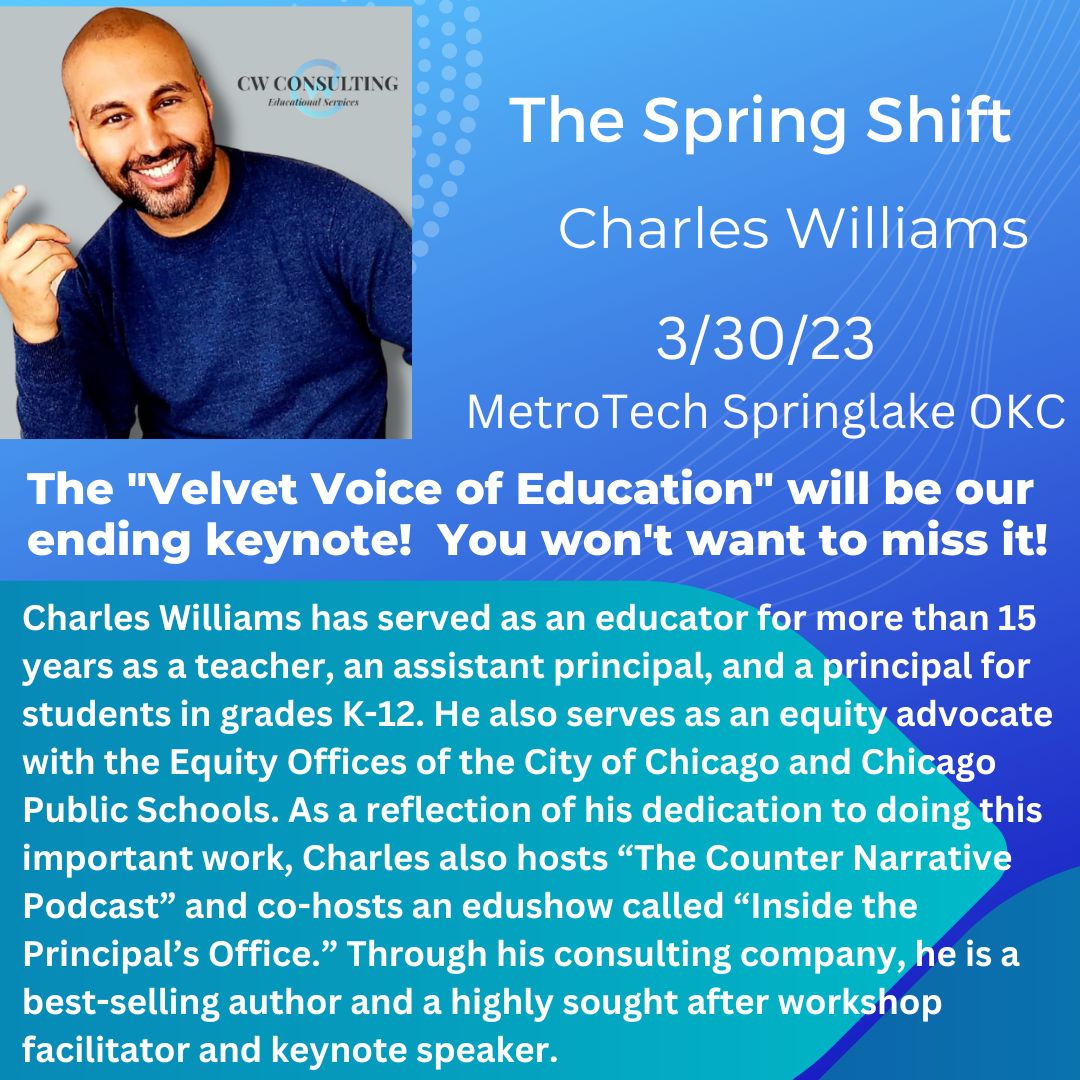
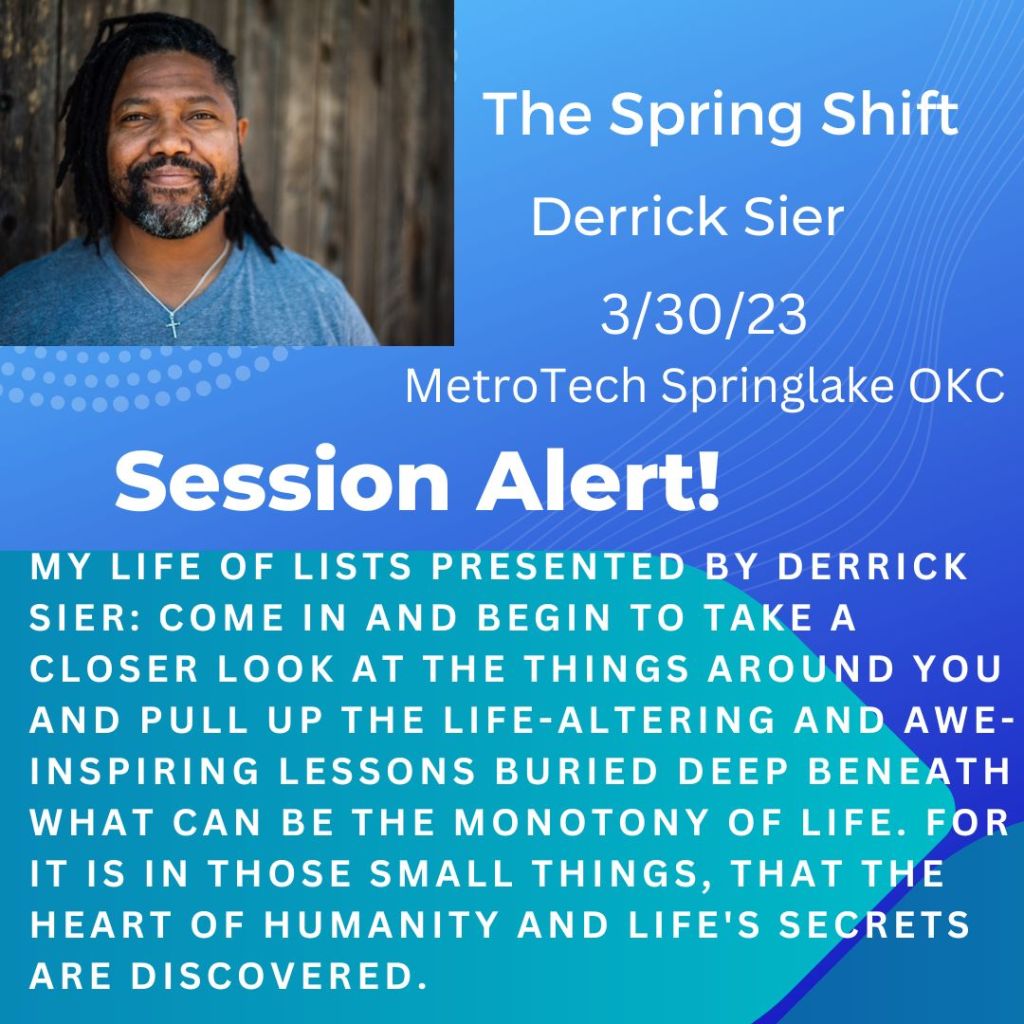
Sign up for our one-day Institute in Oklahoma City on March 30, 2023
https://katie-kinder.com/the-spring-shift/
A beautiful brain-based classroom right before winter break!



 Katie Kinder